Lampkin Walks South Ontario Neighborhoods to Listen to Residents
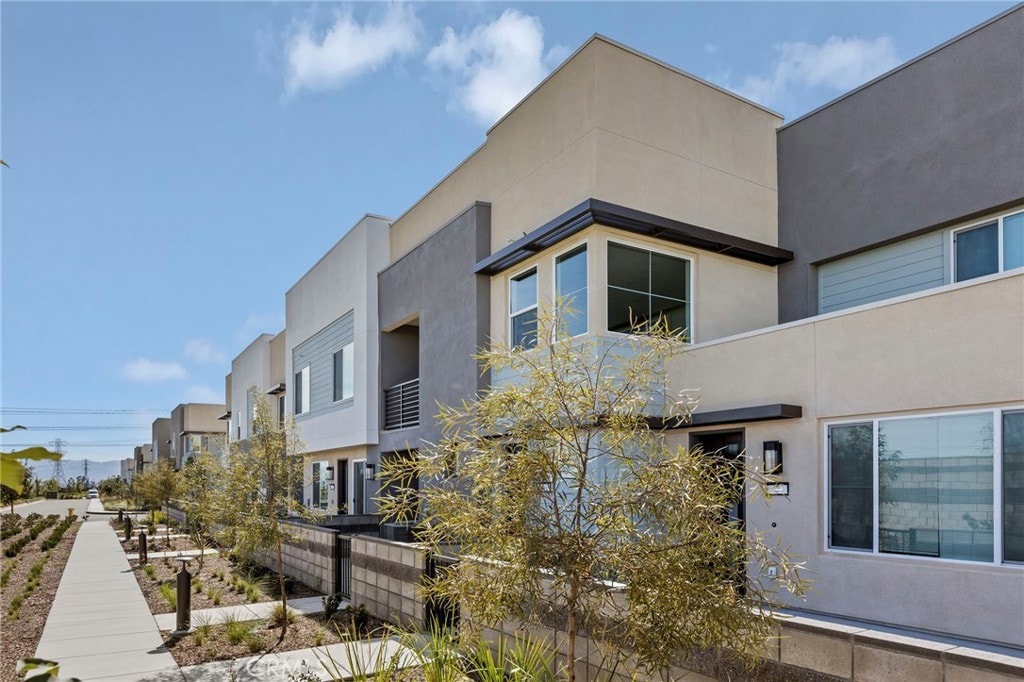
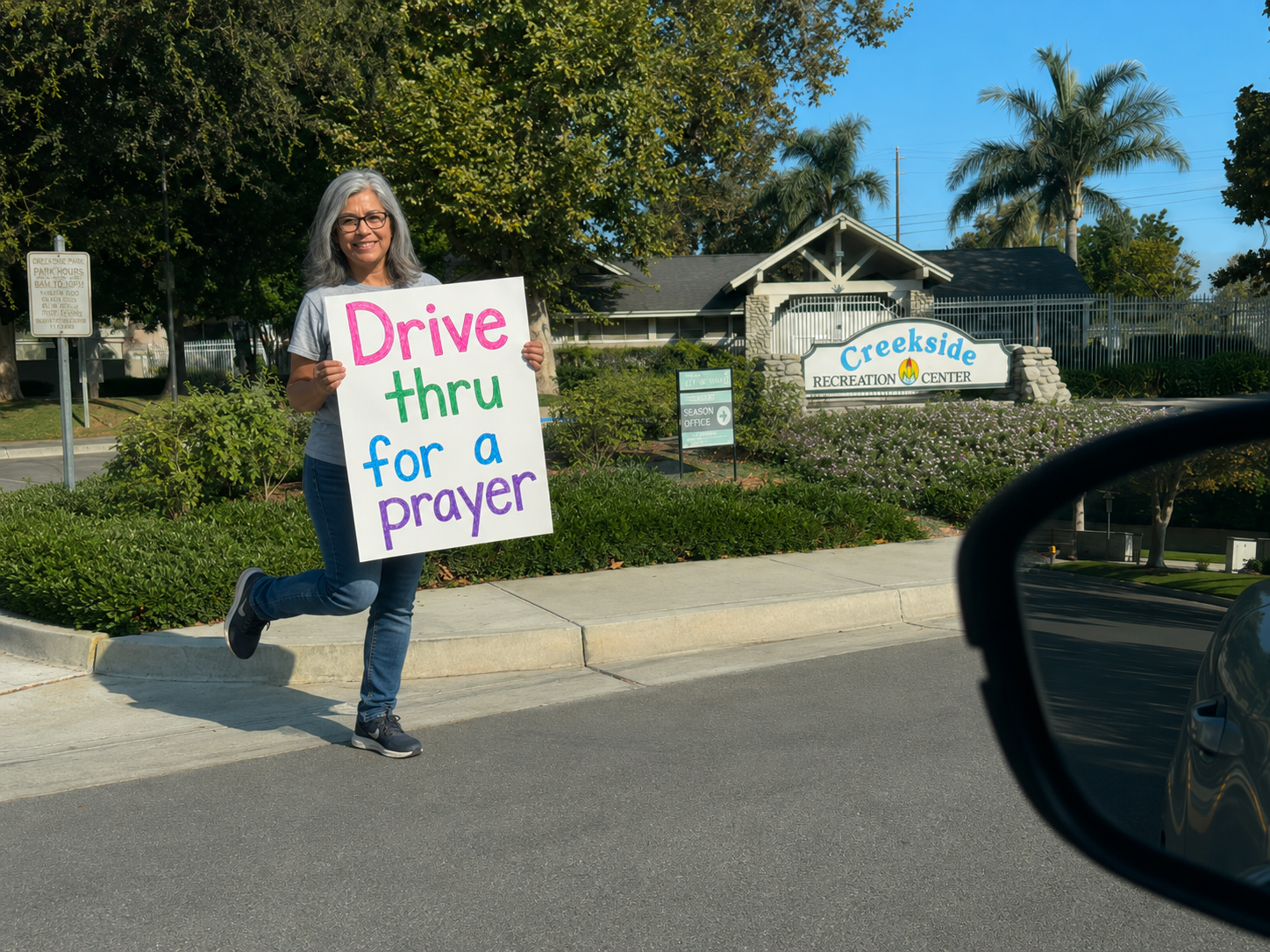
Ontario City Council candidate D'Andre Lampkin walked neighborhoods throughout South Ontario, meeting residents at their doors and, in several cases, being welcomed into their homes to discuss neighborhood priorities, Ontario's continued growth, and the future of District 3.
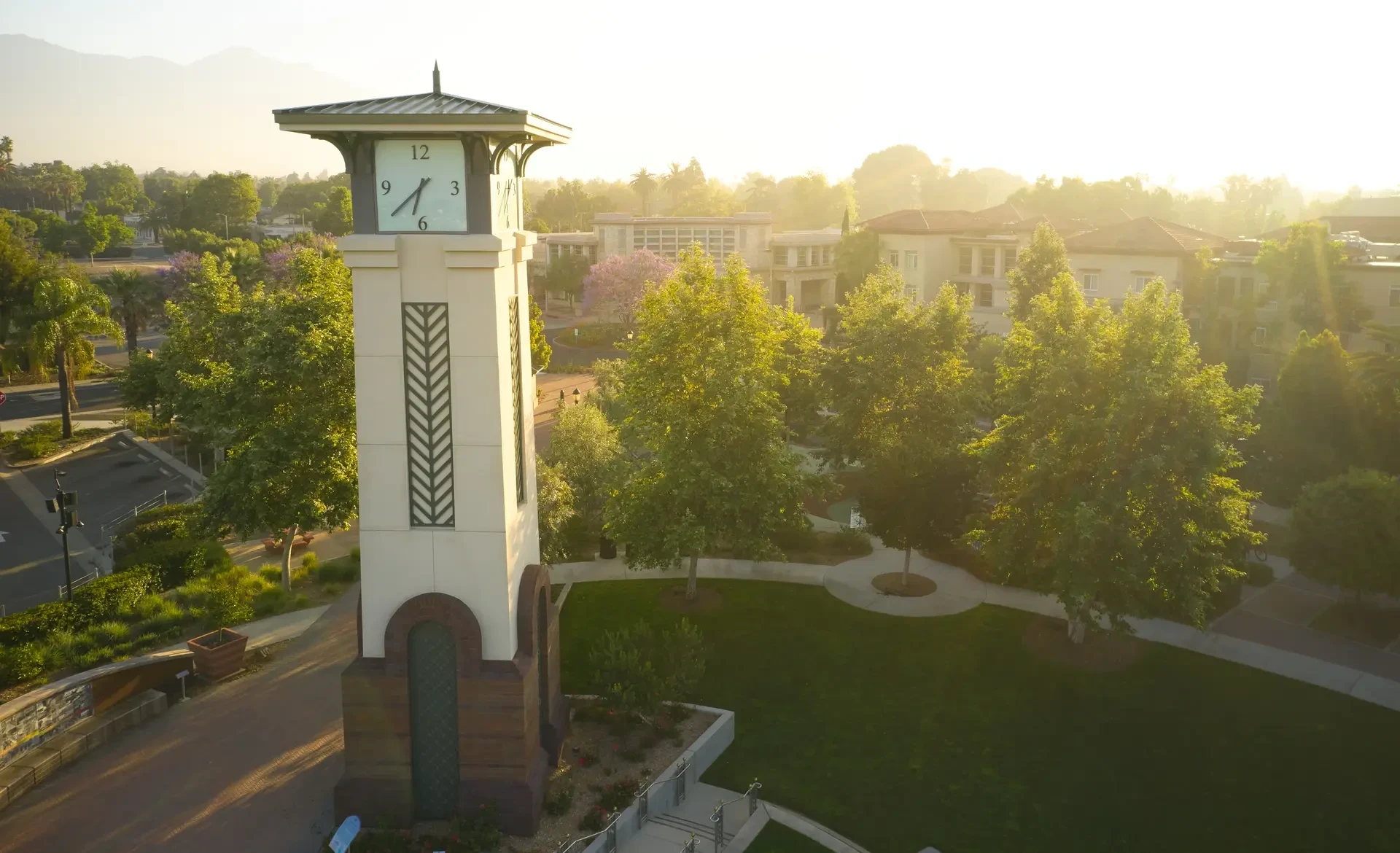
Ontario City Council candidate D'Andre Lampkin walked neighborhoods throughout South Ontario, meeting residents at their doors and, in several cases, being welcomed into their homes to discuss neighborhood priorities, Ontario's continued growth, and the future of District 3.
D'Andre D. Lampkin, candidate for Ontario City Council, District 3, recently began walking neighborhoods throughout South Ontario to hear directly from residents about what they value, what concerns them, and what they want from their next City Council representative.
Rather than organizing a formal listening session, Lampkin went door to door, introduced himself, and invited residents to share their experiences. Several welcomed him into their homes, where they sat together and discussed the opportunities and challenges facing South Ontario.
"These conversations were not campaign speeches or presentations," Lampkin said. "They were opportunities to sit with residents, listen carefully, and better understand how they experience Ontario's growth in their everyday lives."
During the conversations, Lampkin asked residents three questions:
- What is the biggest issue facing your neighborhood?
- If you could change one thing about the City of Ontario, what would it be?
- What do you think the City is doing well that should continue?
The responses reflected both optimism about Ontario's direction and concern about whether infrastructure, public services, traffic management, neighborhood maintenance, and environmental planning are keeping pace with South Ontario's continued development.
Residents Express Pride in Ontario
Many of the residents Lampkin met spoke positively about Ontario and the direction of the city.
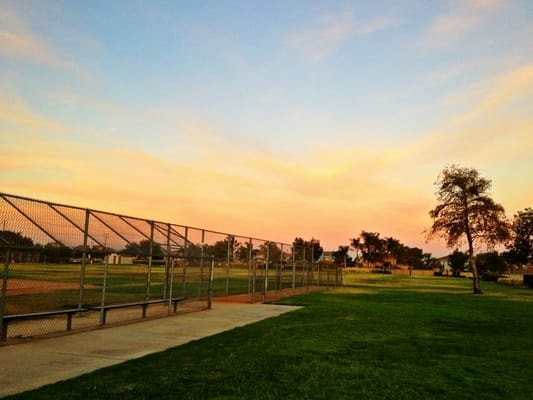
They praised clean and safe neighborhoods, new roads, expanding shopping and entertainment options, Downtown Ontario improvements, Ontario International Airport, Toyota Arena, summer concerts, and the city's new professional baseball stadium.
One resident said she appreciated being able to live and work in Ontario and often remained within District 3 when going out for recreation. She described the district as clean and safe and said she regularly attended baseball games.
Another resident described Ontario as an increasingly attractive place to live because of its airport, arena, stadium, and unique venues.
Others praised improved lighting in Downtown Ontario, easier access to neighboring communities through newer roads, and the convenience of having more destinations close to home.
"These conversations showed that residents are proud of Ontario and recognize the progress being made," Lampkin said. "They want that progress to continue, but they also want it managed in a way that protects their quality of life."
Growth Must Keep Pace With Infrastructure
Road conditions, traffic, construction, and infrastructure were among the most common topics raised.
Residents discussed bumpy or incomplete streets in developing areas, aggressive driving near schools, increasing traffic, event-related parking, and the effect of ongoing road improvements on daily commutes.
A resident living near Colony High School expressed concern about parking during school events and trash being left in surrounding streets.
Another resident said he appreciated the new baseball stadium but was reserving his final opinion until nearby street improvements were completed. He was particularly concerned about how the project could affect his commute to Chino.
One newer resident objected to semi-trucks traveling on Ontario Ranch Road. During the conversation, Lampkin explained that the roadway had been designed and widened to accommodate truck traffic as part of the area's long-term development.
Lampkin said the exchange illustrated the importance of better communication about infrastructure planning.
"Residents should understand why roads are designed the way they are and how development decisions may affect their daily lives," Lampkin said. "Growth should be measured not only by what is built, but also by whether roads, utilities, public safety, parks, libraries, and neighborhood services keep pace."
Cleanliness and Neighborhood Maintenance
Although many residents described Ontario as clean, they also identified specific locations and behaviors requiring attention.
Concerns included illegal dumping along undeveloped portions of Haven Avenue, plastics and other litter along roadways, trash near Colony High School, dog waste, and damage to grass in neighborhood parks.
One resident praised the MyOntario application and said he regularly used it to report problems to the City.
Another resident raised concerns about daily volleyball games taking place on the lawn of an HOA-owned park. He said the activity was damaging the grass even though volleyball courts were available nearby.
After determining that the park was controlled by the homeowners association rather than the City, Lampkin asked whether the HOA could improve the area being used for volleyball and reconsider the use of an underutilized court nearby. The resident supported the idea and said he would raise it with his HOA board.
"Leadership is not always about promising that City Hall can solve every problem," Lampkin said. "Sometimes it means identifying who has responsibility, helping residents consider practical options, and connecting concerns with realistic solutions."
Environmental Changes in South Ontario
Several residents discussed the environmental changes occurring as remaining dairy and agricultural properties are gradually redeveloped.
They raised concerns about dairy odors, flies, mosquitoes, roaches, remaining cattle operations, and coyotes moving from open fields into residential neighborhoods.
One resident said dairy odors remained especially noticeable during the winter. Another said the smell of cattle had declined as farms disappeared but believed mosquitoes had become more prevalent.
A resident concerned about coyotes said development appeared to be pushing wildlife out of open fields and toward residential areas. When Lampkin asked about the possibility of natural habitat areas within the future Ontario Great Park, the resident supported the concept but observed that animals may not remain where people expect them to because "nature is going to do what nature is going to do."
Lampkin said the comments should not be treated as proof that every insect, odor, or wildlife concern has the same cause. However, he said they demonstrate that residents are paying close attention to the environmental effects of development.
"Responsible growth must account for environmental health, drainage, vector control, habitat disruption, and compatibility with surrounding neighborhoods," Lampkin said.
Public Safety and Everyday Quality of Life
Residents also discussed speeding near schools, persistent mail theft, event parking, and concerns about future homelessness policies.
One resident described repeated attempts by thieves to pry open locked neighborhood mailboxes, demonstrating that reinforced mailboxes alone had not fully resolved the problem.
Another resident expressed concern about the possibility of future homeless shelters and the effect such facilities might have on nearby neighborhoods.
Lampkin said residents deserve to have their concerns heard while public policy remains grounded in facts, sound planning, appropriate services, security, and measurable community impacts.
"Public safety includes more than emergency response and law enforcement," Lampkin said. "It also includes traffic safety, prevention, neighborhood design, environmental conditions, communication, and whether residents feel secure where they live."
Residents Want More Amenities and Economic Opportunity
Some residents said District 3 would benefit from additional shopping centers, public libraries, and community amenities.
Others focused on Ontario's larger economic assets.
One resident said Ontario International Airport should reach its full potential as an economic engine. He connected airport activity with hotel occupancy, tourism, business growth, and the broader local economy.
Another resident praised the way new roads and alternate routes make it easier to travel to Chino without relying on the freeway. He described South Ontario as increasingly convenient and central.
Lampkin said these conversations raise an important question about how Ontario can ensure that development creates benefits residents can see and experience.
"Economic development should create more than new construction," Lampkin said. "It should generate jobs, workforce opportunities, successful local businesses, public amenities, and a stronger quality of life for Ontario residents."
A Clear Message Begins to Emerge
Lampkin emphasized that the initial conversations represent an early sample and should not be treated as the final opinion of every District 3 resident.
Still, a consistent message began to emerge: residents are generally optimistic about Ontario's direction, but they want growth to remain thoughtful, safe, clean, orderly, and responsive to the people who already live here.
The residents Lampkin met were not broadly calling for Ontario to stop growing. Instead, they wanted roads, traffic management, neighborhood maintenance, environmental planning, public safety, and community amenities to keep pace.
They also wanted the City to continue what they believe is working — including clean neighborhoods, new recreational opportunities, downtown revitalization, improved roads, shopping, entertainment, and investment in South Ontario.
"These conversations reinforced that residents want progress, but they also want that progress to work for the people who already call Ontario home," Lampkin said.
Listening Will Continue
Lampkin said he will continue walking neighborhoods, meeting residents at their doors, and accepting invitations to sit with families throughout District 3.
The feedback will help shape five campaign priorities:
- Thoughtful growth and infrastructure
- Safe, prepared, and resilient neighborhoods
- Jobs and economic opportunity
- Responsible stewardship and accountable government
- Communication and community trust
"Leadership begins with listening, but it cannot end there," Lampkin said. "It also requires understanding who is responsible, following through, and working with residents toward practical solutions."
Residents can share their priorities, submit questions, volunteer, and receive campaign updates at LampkinForOntario.org. Follow the campaign on Facebook and Instagram at @LampkinForOntario.
Service • Experience • Community
Paid for by Lampkin for Ontario City Council 2026.
Written by
Lampkin for Ontario Campaign
Content creator and writer sharing insights and stories.